What happens when a home appraisal comes in below the purchase price?
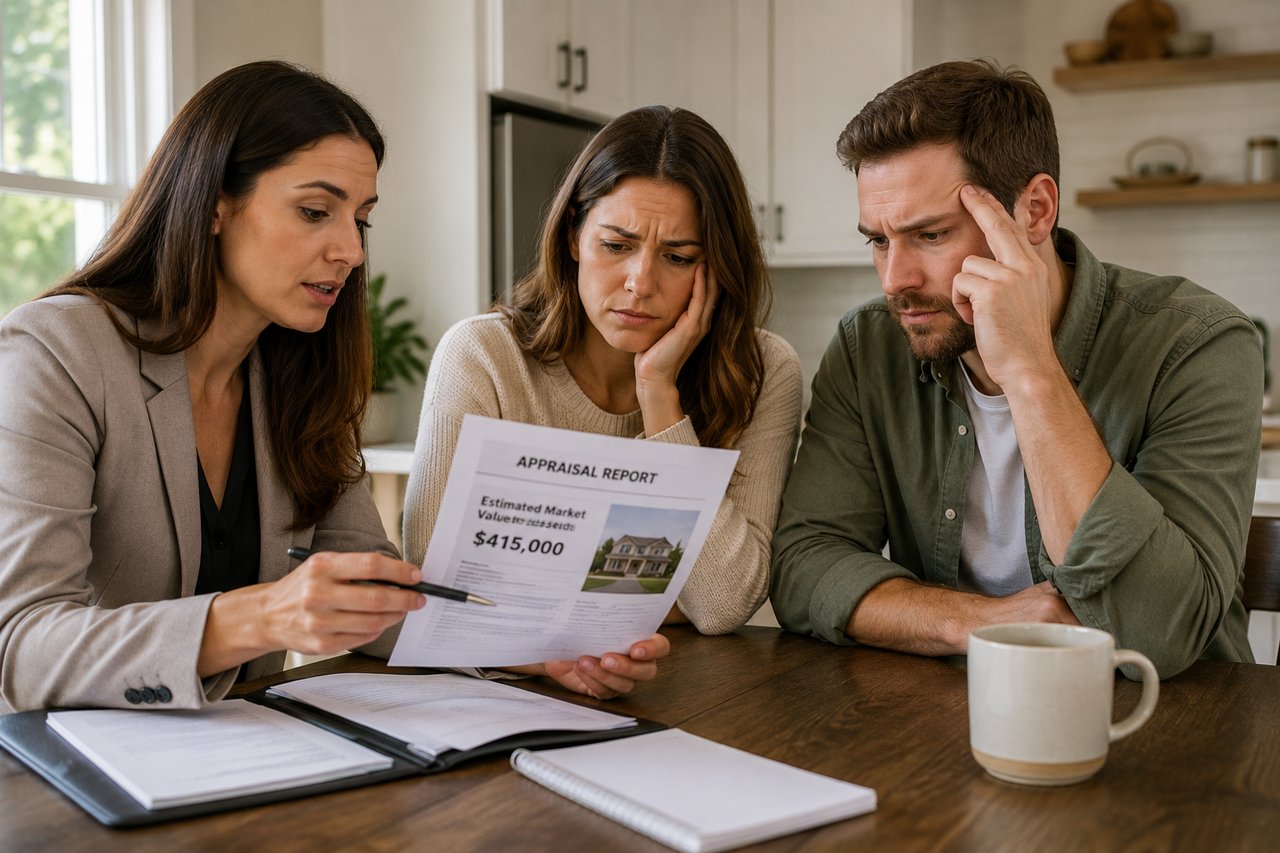
When an appraisal comes in below the contract price, the buyer's lender will only base the loan on the appraised value, creating a gap the deal has to absorb. In Idaho Falls, the standard purchase agreement's appraisal contingency gives the buyer leverage to renegotiate. The five paths forward: the seller lowers the price to the appraised value, the buyer brings extra cash to cover the gap, the two sides split the difference, either side challenges the appraisal with better comps, or the deal terminates and the buyer's earnest money is returned.
By Eli Dahlin | July 23, 2026
The call nobody wants: "The appraisal came in $15,000 short." I've handled this from both sides of the table more times than I can count, and here's the first thing I tell my clients: a low appraisal is a negotiation event, not a death sentence. Most of these deals still close.
Why low appraisals happen in this market
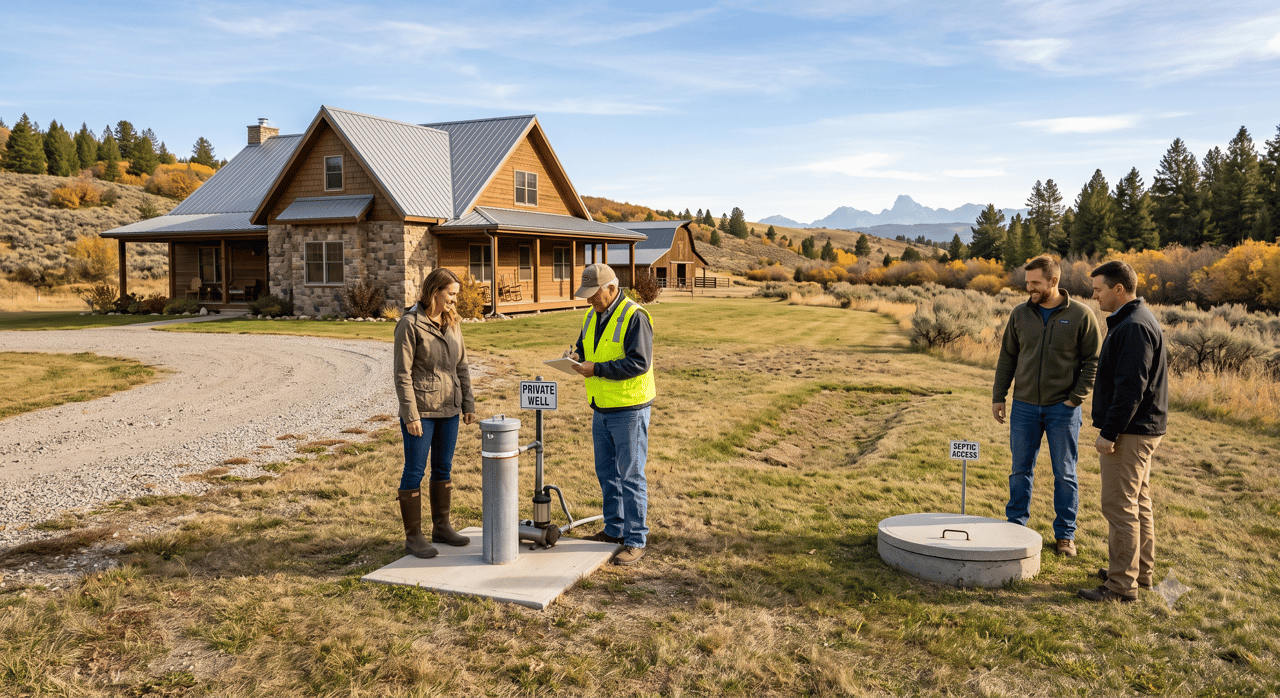
Appraisers work from closed comparable sales, and closed sales are a look in the rearview mirror. In pockets of Eastern Idaho where prices have moved quickly, like the new construction corridors expanding south toward Shelley and north toward Rigby, comps from four months ago may not reflect what buyers are paying today. Unique properties are also vulnerable: acreage outside city limits, luxury homes near the river with few true comps, and homes with shops or outbuildings that appraisers struggle to credit fully.
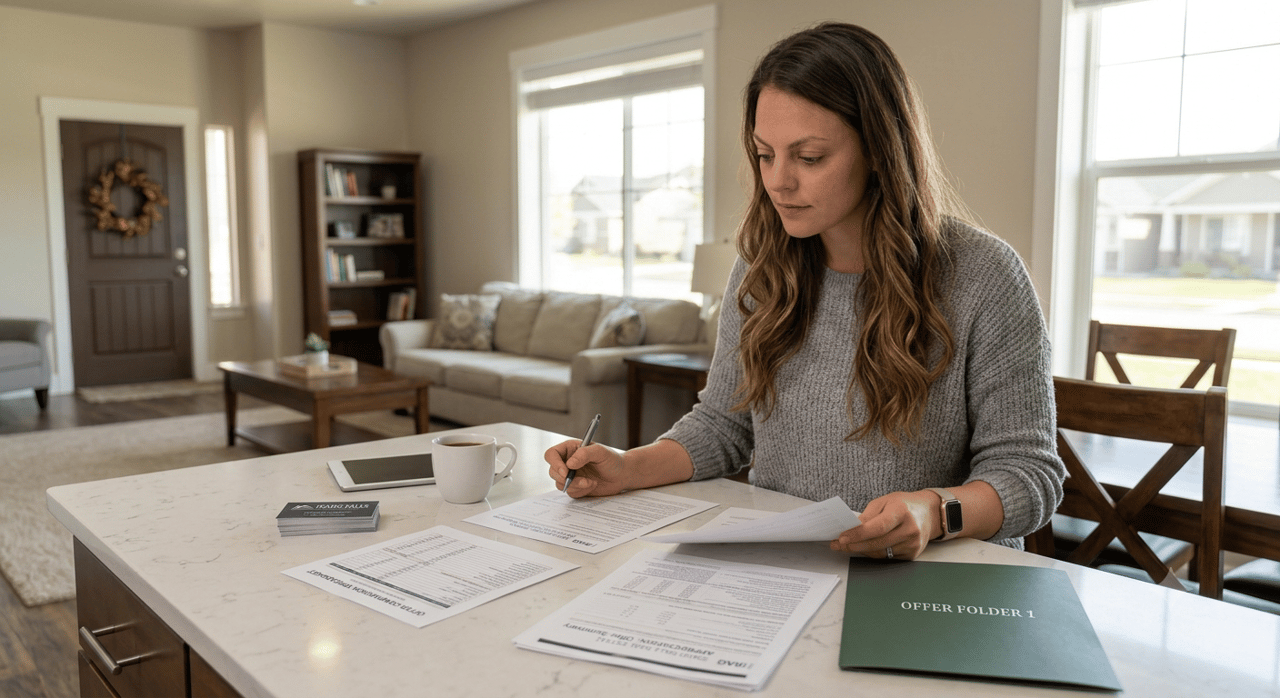
Multiple-offer situations create gaps too. When five buyers bid a home from $425,000 up to $455,000, the winning number reflects competition, and the appraiser may not find comps to support it.
The five paths forward
1. Seller reduces to appraised value. The cleanest fix, and the right one when the appraisal is solid and the market has cooled since you went under contract. Sellers, before you refuse, think about what termination actually means: back on the market, with agents asking why the deal fell apart, and your next buyer's appraiser looking at the same comps.
2. Buyer covers the gap in cash. If the home appraises at $440,000 on a $455,000 contract, the buyer brings the $15,000 difference on top of their down payment. Common in competitive situations, and some buyers commit to this upfront with appraisal gap coverage language in their offer.
3. Split the difference. The most common outcome I see in Bonneville County. Seller comes down $7,500, buyer brings $7,500. Neither side loves it. Both sides close.
4. Challenge the appraisal. This is a reconsideration of value, and it's not a complaint form, it's an evidence package. Your agent submits closed comps the appraiser missed, corrects factual errors (wrong square footage, missed bedroom, uncredited shop or irrigation rights), and documents market conditions. It works when there's real evidence. On rural property, water rights and outbuildings are the most commonly under-credited items in my experience. A second appraisal is sometimes possible, though the lender controls that decision.
5. Terminate. If the contract's appraisal contingency is intact and the sides can't agree, the buyer walks with their earnest money. It's the outcome of last resort, but knowing you can walk is exactly what gives a buyer negotiating strength.
What sellers should do before the appraiser visits
You can't influence the value dishonestly, but you can make sure the appraiser has complete information:
- Have your agent meet the appraiser with a comp package and a list of improvements with dates and costs
- Document what doesn't show: new well pump, septic work, upgraded electrical, irrigation shares
- Make sure the home shows clean and everything is accessible
Appraisers are professionals, not adversaries. Complete information produces accurate values, and accurate values close deals.
What buyers should think about before offering over list
If you're bidding aggressively, decide before you write the offer how much gap you could cover in cash, and have your lender pre-calculate it. An offer with defined appraisal gap coverage ("buyer will cover up to $10,000 of any appraisal shortfall") is dramatically stronger than a bare over-ask number, and sellers' agents in this market know the difference.
Frequently Asked Questions
Who pays for the appraisal, and who does the appraiser work for?
The buyer typically pays for the appraisal (usually $600 to $900 in Eastern Idaho), but the appraiser is engaged by the lender and owes their opinion of value to the lender, not to either party.
Can the seller see the appraisal report?
Not automatically. The report belongs to the buyer's lender. In a renegotiation, the buyer's side usually shares the relevant pages, because it's the evidence supporting their price-reduction request.
Does a low appraisal mean the house is overpriced?
Not necessarily. It means the closed comps don't support the contract price today. In fast-moving areas, appraisals lag the market. In flat or cooling areas, a low appraisal is often the market telling you something real.
What happens to the appraisal if the deal terminates and a new buyer appears?
FHA appraisals attach to the property for about four months, so a new FHA buyer inherits the same value. Conventional appraisals belong to the specific lender and loan, so a new buyer with a new lender gets a fresh appraisal.
Can a cash buyer skip the appraisal?
Yes. No lender means no required appraisal, which is why cash offers carry weight even at lower prices. Cash buyers can still order one for their own protection, and on unique properties I often recommend it.
A low appraisal is a solvable problem when both sides understand their options and someone at the table has done this before. Whether you're a seller pricing a hard-to-comp property or a buyer deciding how aggressive to be, this is exactly the situation where local negotiation experience pays for itself. If you're heading into a sale or purchase in Idaho Falls or anywhere in Eastern Idaho, reach out at dahlinrealestate.com/contact and I'll walk you through how I'd handle it, and I'll send along my Seller's Guide or Buyer's Guide depending on which side of the table you're on.
About Eli Dahlin Eli Dahlin, REALTOR®, is a top 5% producing real estate agent with Silvercreek Realty Group, Idaho's largest independent brokerage. Serving Idaho Falls and Eastern Idaho, including Rigby, Shelley, Blackfoot, Pocatello, Rexburg, and Island Park, Eli has closed over 100 transactions and averages 20+ sales per year, with $20M projected 2026 production. He specializes in luxury homes, new construction, relocation, VA buyers, first-time buyers, and investment properties. Known for high-end marketing, strong negotiation, and modern video-driven listing strategies, Eli helps clients achieve exceptional results with a streamlined, professional experience.