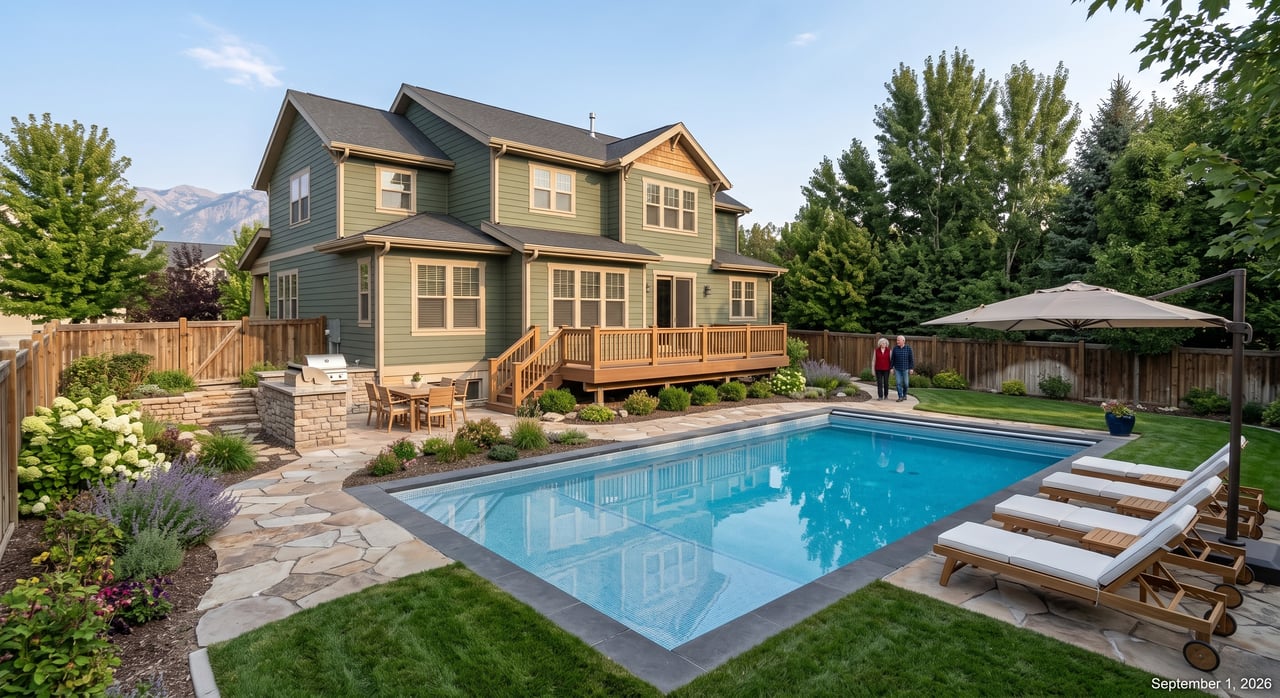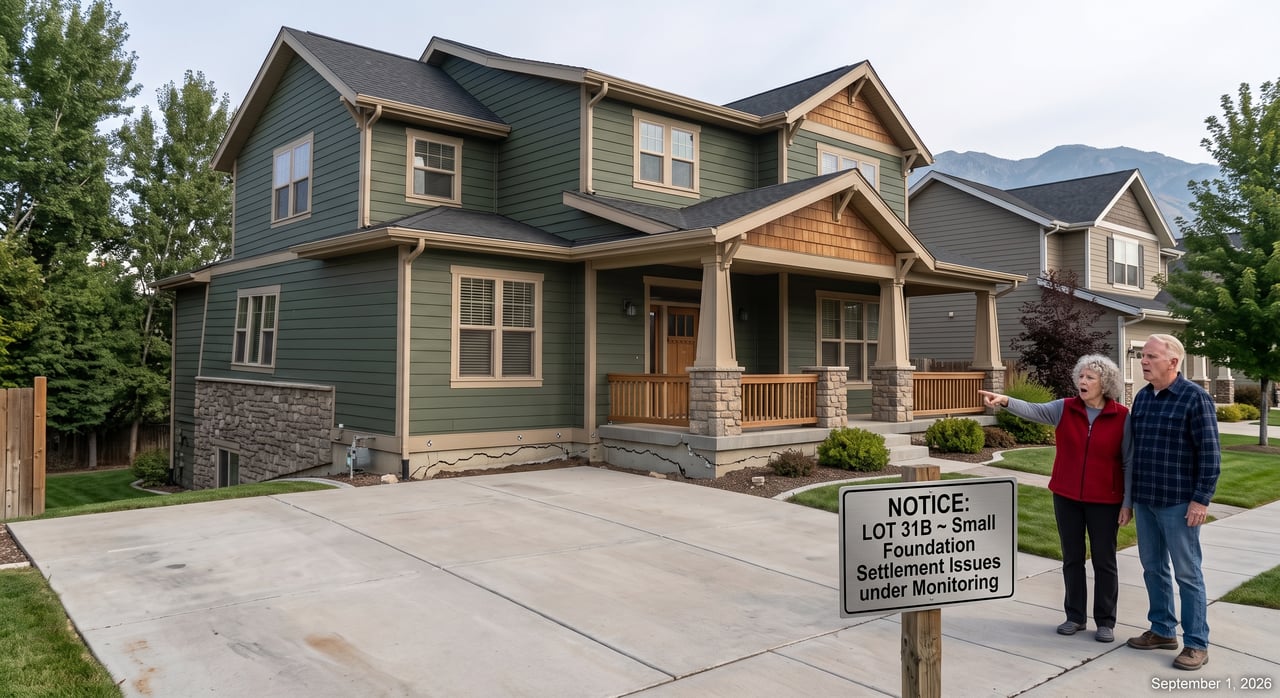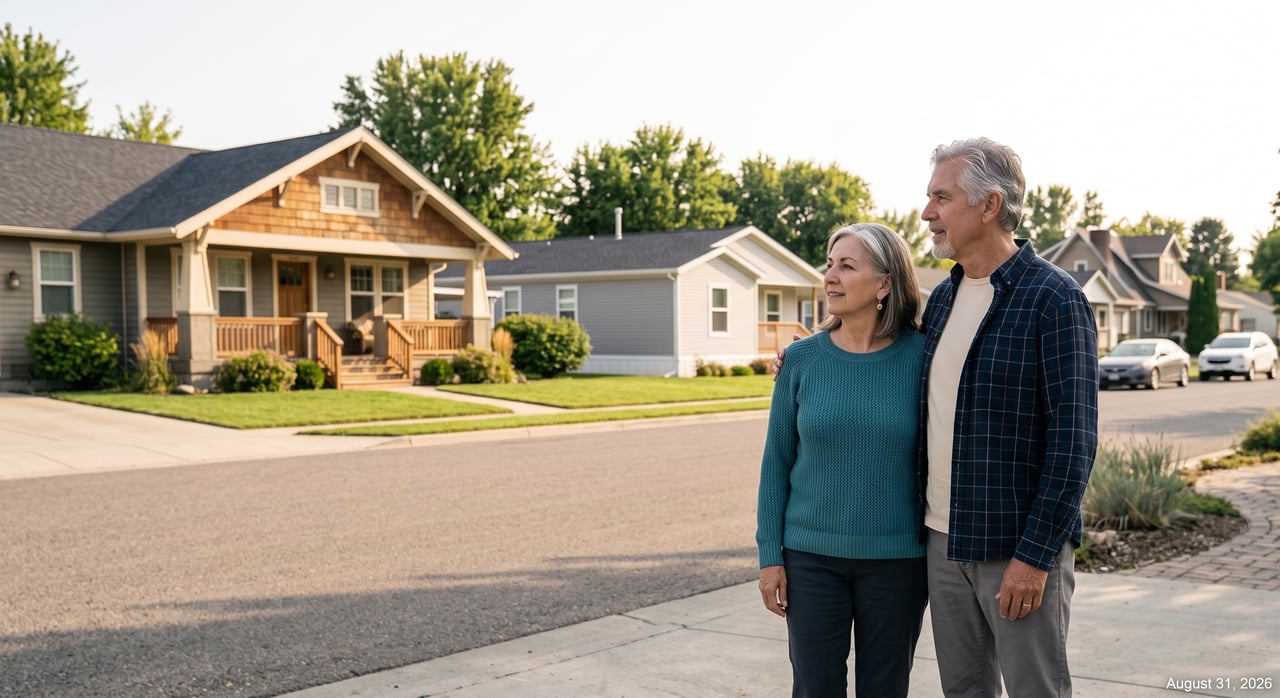
Is Idaho Falls a good place to retire and buy a home?
Idaho Falls offers retirees a genuinely competitive combination: lower home prices than most Western metros, no state income tax on Social Security benefits, property taxes that run below regional averages, and proximity to world-class recreation including Yellowstone, the Tetons, and some of the best fishing in the country. Healthcare access through Eastern Idaho Regional Medical Center and affiliated specialists is solid for a city of its size. The primary trade-offs are a genuine winter, a smaller city footprint, and more limited cultural amenities than larger metros.
By Eli Dahlin | Sep 7, 2026
Retirement relocation to Idaho Falls and Eastern Idaho has been a consistent trend over the past several years, driven by buyers from California, Washington, Oregon, Utah, and other Western states looking for lower costs, better recreation access, and a slower pace of life. If you're evaluating Idaho Falls as a retirement destination, here's what the real estate side of that decision actually looks like.
The Financial Case for Retiring to Idaho Falls
No Idaho income tax on Social Security. Idaho does not tax Social Security benefits. For retirees whose income is primarily Social Security, this is a meaningful advantage over states that do tax it.
No income tax on most pension income. Idaho also exempts qualifying retirement account withdrawals and pension income from state income tax up to certain limits. For retirees living primarily on retirement accounts and Social Security, the effective Idaho income tax burden can be very low.
Lower property taxes than most Western origins. Bonneville County effective property tax rates typically run 0.6-0.9% of assessed value annually, lower than California, Washington, Colorado, and most other Western states on a comparable home value basis.
Idaho homeowner's exemption. Qualifying owner-occupants can reduce their taxable assessed value through the homeowner's exemption, lowering the annual tax bill further.
Circuit Breaker program. Lower-income seniors in Idaho may qualify for additional property tax relief through the Circuit Breaker program. Income and age thresholds apply, but it's worth checking with the Bonneville County Assessor's office if you're in that situation.
Lower home prices than origin markets. Most retirees coming from California, the Pacific Northwest, or Colorado find their home equity from a prior sale goes significantly further in Idaho Falls. Downsizing from a larger family home in those markets often leaves meaningful cash after the Idaho Falls purchase.
Healthcare Access in Eastern Idaho
Healthcare is a primary concern for most retirees evaluating a relocation. Eastern Idaho's healthcare landscape:
Eastern Idaho Regional Medical Center (EIRMC) in Idaho Falls is the regional hospital and Level II trauma center, offering a broad range of services including cardiac care, cancer treatment, orthopedics, and emergency services.
Specialists. Most common specialist needs, cardiology, orthopedics, oncology, neurology, are available in Idaho Falls. Highly specialized or complex cases sometimes require travel to Salt Lake City, Boise, or other larger centers, which is worth considering for retirees with complex ongoing medical needs.
INL healthcare footprint. The presence of Idaho National Laboratory has historically supported a stronger healthcare infrastructure in Idaho Falls than a city of its size might otherwise have, as the lab's workforce creates demand for quality medical services.
Areas That Work Well for Retirement in Idaho Falls
Established Idaho Falls neighborhoods. Mature neighborhoods like Park Taylor and Ivywood offer single-level homes with established landscaping, proximity to amenities, and a neighborhood feel that many retirees find preferable to newer construction further from the city center. Walkability varies by specific location.
Ammon. Offers newer construction options in a quieter community setting adjacent to Idaho Falls. Some Ammon neighborhoods skew toward newer single-story homes well-suited to aging-in-place.
Active adult communities. Idaho Falls has 55+ and active adult communities that offer low-maintenance living, community amenities, and a peer group of similarly-aged residents. These vary significantly in character, amenities, and price point. The post from Batch 07 on 55+ communities covers this in more detail.
Island Park and recreational properties. Some retirees purchase in Island Park or the Yellowstone corridor as a primary retirement home rather than a vacation property, particularly those whose retirement lifestyle centers on fishing, snowmobiling, or Yellowstone proximity. This requires comfort with rural living and seasonal access considerations.
What Retirees Often Don't Expect
The winter is real. Idaho Falls winters are cold and snowy. January averages well below freezing with significant snow accumulation. Snow removal is a genuine consideration for buyers coming from California or the Southwest. Single-level homes with attached garages become particularly practical in this climate. For buyers who want to avoid Idaho winters, a seasonal home or plan to winter elsewhere is worth building into the retirement picture.
Healthcare travel for complex needs. As mentioned, highly specialized care sometimes requires travel to larger centers. For retirees with complex, ongoing medical situations, this is worth evaluating specifically before committing to Idaho Falls as a full-time retirement location.
The city is smaller than most Western origin markets. Cultural amenities, restaurant variety, performing arts, and the kind of urban density that some retirees enjoy are more limited in Idaho Falls than in Seattle, Portland, San Francisco, or Denver. Most retirees who choose Idaho Falls do so deliberately and find the tradeoff worthwhile. It's still worth understanding clearly before you commit.
Frequently Asked Questions
Is Idaho Falls a good place to retire?
For retirees who value lower costs, outdoor recreation, a tight-knit community, and don't require the cultural amenities of a major metro, Idaho Falls is a genuinely strong retirement choice. The combination of favorable tax treatment for retirement income, lower home prices, and proximity to Yellowstone and the Tetons makes it particularly appealing for active retirees coming from higher-cost Western states.
Does Idaho tax retirement income?
Idaho does not tax Social Security benefits and exempts qualifying amounts of retirement account income and pension income from state income tax. The specific exemption amounts and rules vary and are worth reviewing with a CPA for your specific income composition. Retirement income from some sources is taxable in Idaho; the picture varies by individual situation.
What is the best neighborhood in Idaho Falls for retirees?
It depends on what you're optimizing for. Established Idaho Falls neighborhoods like Park Taylor offer mature character and proximity to city services. Ammon offers newer construction in a quieter setting. Active adult communities offer low-maintenance living with peer community. Rural properties offer space and recreation access. The right choice depends on your lifestyle priorities, mobility considerations, and how you envision spending your retirement.
How close is Idaho Falls to medical facilities?
Eastern Idaho Regional Medical Center is the primary hospital in Idaho Falls, offering comprehensive services including a Level II trauma center and most major specialties. For highly specialized or complex care, Salt Lake City is approximately 3.5 hours south and Boise approximately 3.5 hours west, both accessible for less routine appointments.
If you're evaluating Idaho Falls as a retirement destination and you want to understand the market, the neighborhoods, and what your equity from a prior home sale would buy here, I work with retirement relocation buyers regularly. Reach out at dahlinrealestate.com/contact and I'll send along my Buyer's Guide for Relocators and talk through your specific situation.
About Eli Dahlin Eli Dahlin, REALTOR®, is a top 5% producing real estate agent with Silvercreek Realty Group, Idaho's largest independent brokerage. Serving Idaho Falls and Eastern Idaho, including Rigby, Shelley, Blackfoot, Pocatello, Rexburg, and Island Park, Eli has closed over 100 transactions and averages 20+ sales per year, with $20M projected 2026 production. He specializes in luxury homes, new construction, relocation, VA buyers, first-time buyers, and investment properties. Known for high-end marketing, strong negotiation, and modern video-driven listing strategies, Eli helps clients achieve exceptional results with a streamlined, professional experience.